Every run in Hamster Run starts with confidence. The hamster begins moving, the first few obstacles seem manageable, and the path ahead looks clear. Then the pace changes. Obstacles appear more frequently, reaction time becomes shorter, and one rushed decision can end the entire run. Many users assume the challenge is simply moving faster, but experienced users know that success depends on something else: control.
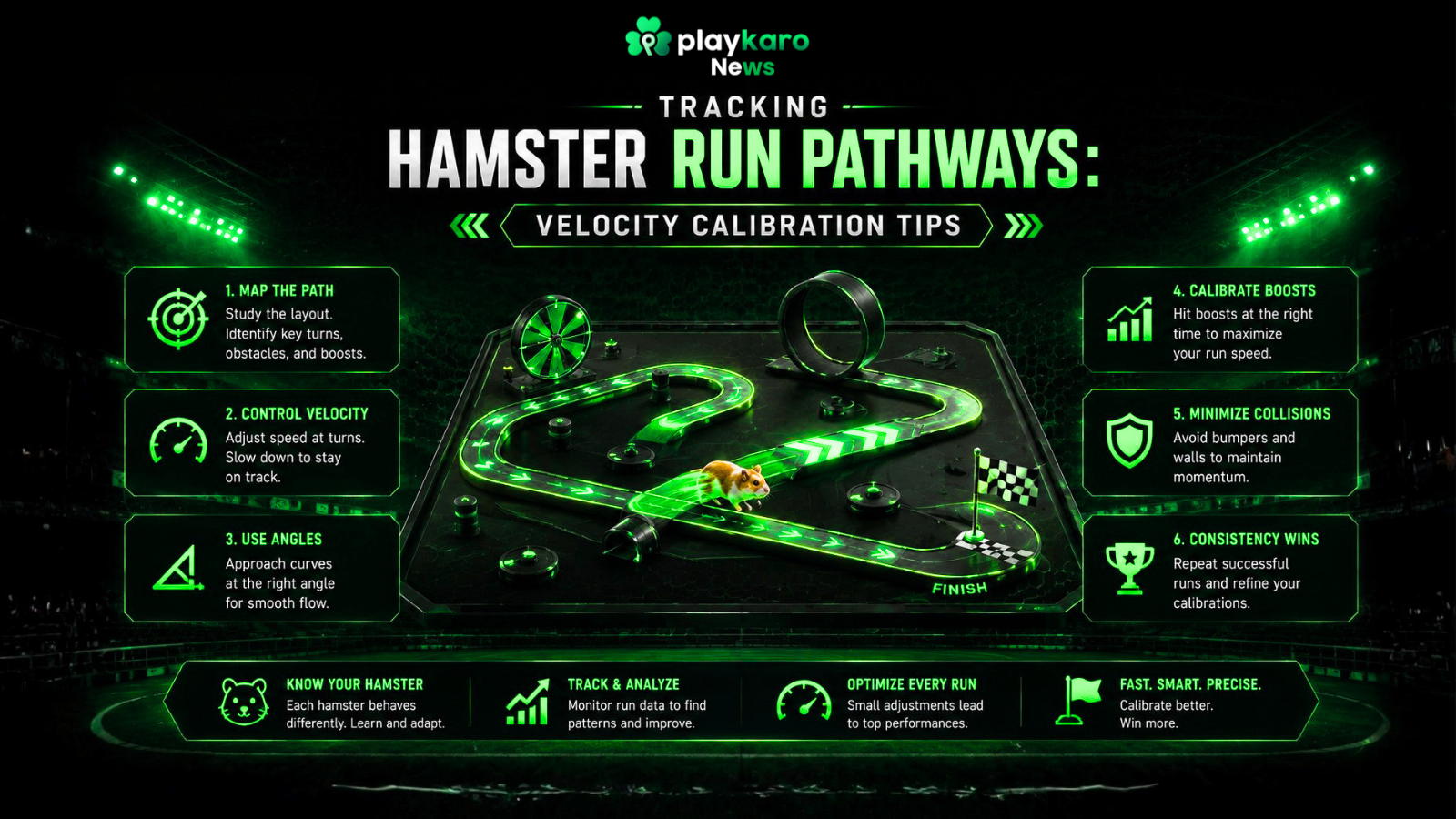
Understanding how its pathways evolve and adjusting your movement accordingly often makes a much bigger difference than speed alone. In today’s blog, we are going to explore practical hamster run velocity tips and how you can make better decisions on the platform like Playkaro.
Steady Movement Matters More Than Uncontrolled Speed in Hamster Run
Most of the users make the same mistake and think that if they run faster, the results will be better.
In fact, it is a rewarding title for those who keep their cool. Good users don’t wait until the last minute to react to every obstacle but think ahead and move around them before they get into a situation.
This method becomes more useful the longer the run. Don’t try to be fast, just try to be in control at all times.
Understanding How Hamster Run Pathways Change
Each session builds on the previous one.
The first few rounds feature more room between obstacles, giving users a chance to get into a rhythm. As the session continues, the path gets narrower, and obstacles appear frequently and at speed, restricting the movement of the user.
Understanding this pattern helps users to stay mentally prepared, instead of being surprised by sudden changes.
Watch the Entire Path Instead of One Obstacle
Many beginners only think about the obstacle in front of them. Experienced users look further ahead.
They can scan the next part of the track and make smoother movements rather than rushing to make corrections.
This is a simple habit that will help with positioning during the run.
Create A Steady Beat
A good session is not about making big moves. Instead of charging straight into any particular activity, it is better to start slowly. After getting accustomed to the pace of things, you will find that it becomes extremely easy to raise the degree of difficulty.
Hamster Run Velocity Tips That Improve Every Session
Improving at Hamster Run often comes from changing small habits rather than completely changing your style of session.
- Control Your Speed Before Increasing It
One of the most useful Hamster Run velocity tips is learning when not to rush.
Moving too aggressively often creates unnecessary mistakes. Controlled movement gives users more time to react while keeping the hamster positioned safely on the track.
- Learn the Pattern Before Making Big Adjustments
Every run develops differently.
Instead of changing direction constantly, observe how obstacles are appearing and allow the session’s rhythm to guide your decisions.
Patience often leads to smoother runs.
- Stay Relaxed During Faster Sections
Higher speeds naturally create pressure.
However, panic usually causes more mistakes than the increased pace itself. Remaining calm helps maintain accuracy even when the session becomes more challenging.
Using Better Calibration to Improve Your Run
Learning about the evolution helps users to make smarter decisions throughout each session.
- Understanding Track Progression Scaling
Track progression scaling refers to the gradual increase in difficulty as the run continues.
The session doesn’t become harder instantly. More obstacles and the speed of each session hinder decision-making.
- Adapting Through Automated Path Calibration
Automated path calibration can be understood as the user’s ability to naturally adjust movement based on changing pathways.
Instead of following one fixed approach from start to finish, experienced users constantly adapt their positioning according to how the track develops.
Flexibility becomes an important advantage during longer sessions.
- Improving Obstacle Navigation Settings Through Practice
Although obstacle navigation settings sound technical, they are closely connected to user awareness.
Good obstacle navigation comes from the following:
- Looking ahead instead of reacting late.
- Avoiding unnecessary movements.
- Staying near the safest path whenever possible.
- Maintaining steady control under pressure.
These habits gradually improve consistency over time.
Understanding Multiplier Threshold Indicators
As users progress further into a run, rewards often become more attractive.
This is where multiplier threshold indicators become important.
Higher multipliers naturally encourage users to continue, but they also increase the difficulty of every decision.
Instead of focusing only on larger multipliers, experienced users balance potential rewards with controlled sessions. Understanding when the risk begins to outweigh the reward helps users make smarter choices throughout longer sessions.
Small Habits That Create Better Results
Success in Hamster Run usually comes from consistency rather than dramatic improvements.
Consider building these habits into every session:
- Focus on the next section of the pathway.
- Stay patient during faster stages.
- Practice smoother movements instead of quicker ones.
- Learn from each completed run.
- Take short breaks between longer sessions.
Users exploring strategy guides on Playkaro often discover that improving these small habits leads to better long-term performance than searching for shortcuts.
Conclusion
The secret to conquering Hamster Run is not to beat everyone else. It’s about knowing the session changes and being able to see the pathways better and being able to make decisions confidently as the pace picks up. Practical tips such as Hamster Run speed tips, track progression scaling, auto path calibration, and better obstacle navigation settings can help users to take on the challenge more consistently.
The ability to learn how to handle multi-instrument threshold indicators is equally instrumental in ensuring that there is a balance between confidence and good judgment. Regardless of whether you start in order to improve on your skills or just for fun, these tips will ensure you have a good grounding every time. Playkaro, explore more tips as you go along.